- Mon - Fri: 09.00am - 10.00 pm
- +256 700 400 400
- info@nokilogistics.com
Blog Article
18
Feb
How to Track Your Cargo in Real Time – A Complete Guide
In 2026, knowing exactly where your cargo is at any given moment is no longer a luxury—it's a standard expectation. Whether you're importing electronics from China, exporting coffee from Uganda, or moving construction materials from Mombasa to Kampala, real-time tracking gives you peace of mind and operational control.
Why Real-Time Tracking Matters
Without visibility, you're flying blind. Late deliveries cost businesses an average of 7% of their revenue annually. Real-time tracking enables you to proactively communicate delays to your customers, re-route shipments in case of road closures, and verify delivery timestamps for invoicing accuracy.
Method 1: GPS Fleet Tracking
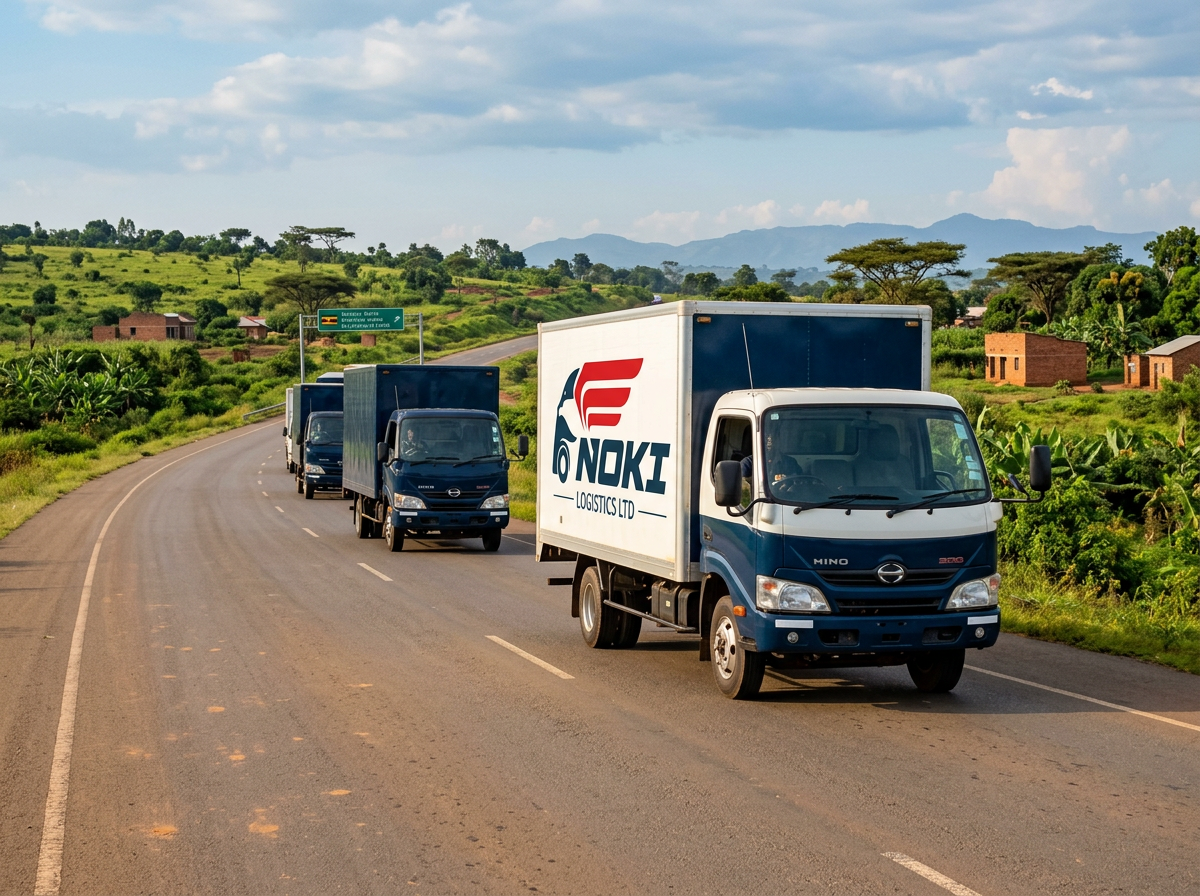
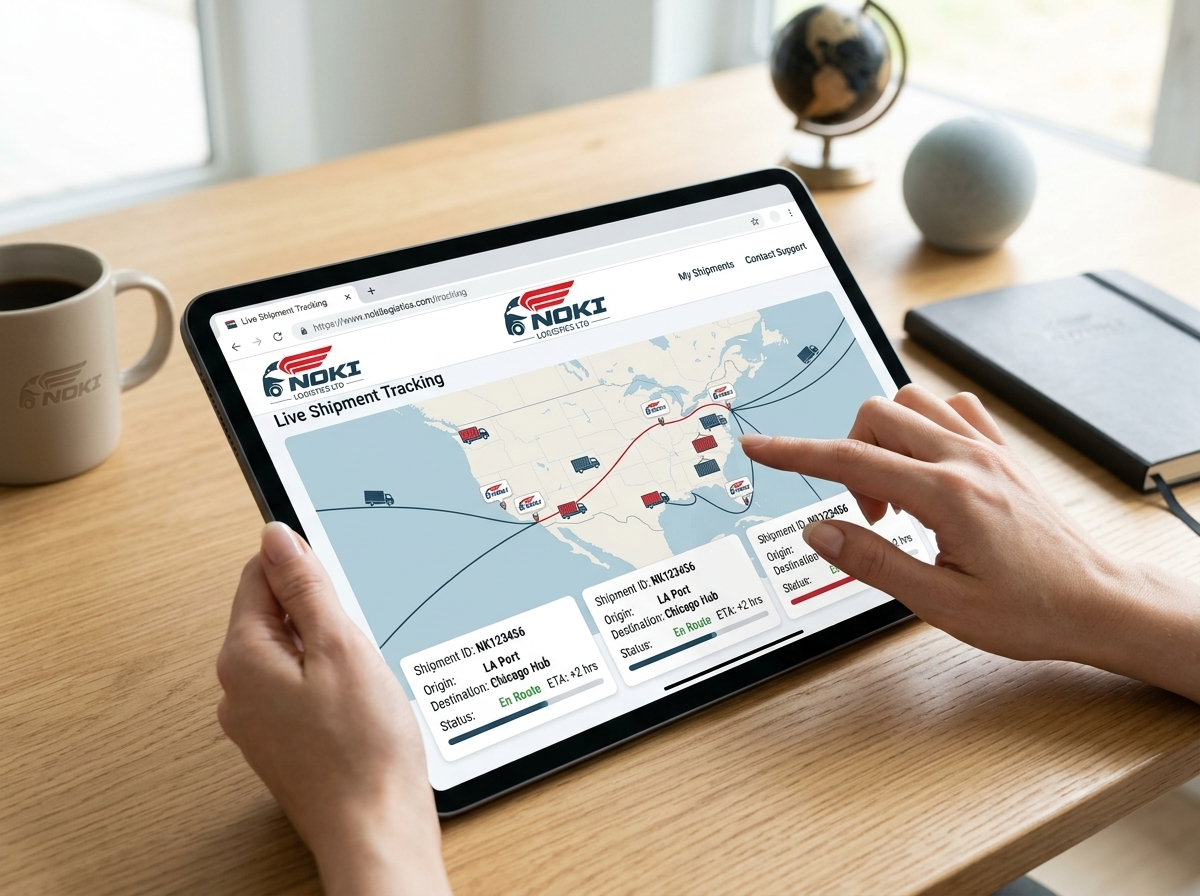
Modern logistics fleets embed GPS trackers directly into their vehicles. At Noki Logistics, every truck in our fleet is equipped with live GPS that updates every 30 seconds. This data feeds into our dispatch centre, allowing us to share live ETAs with clients via WhatsApp or email notifications.
Method 2: Container Tracking via Shipping Lines
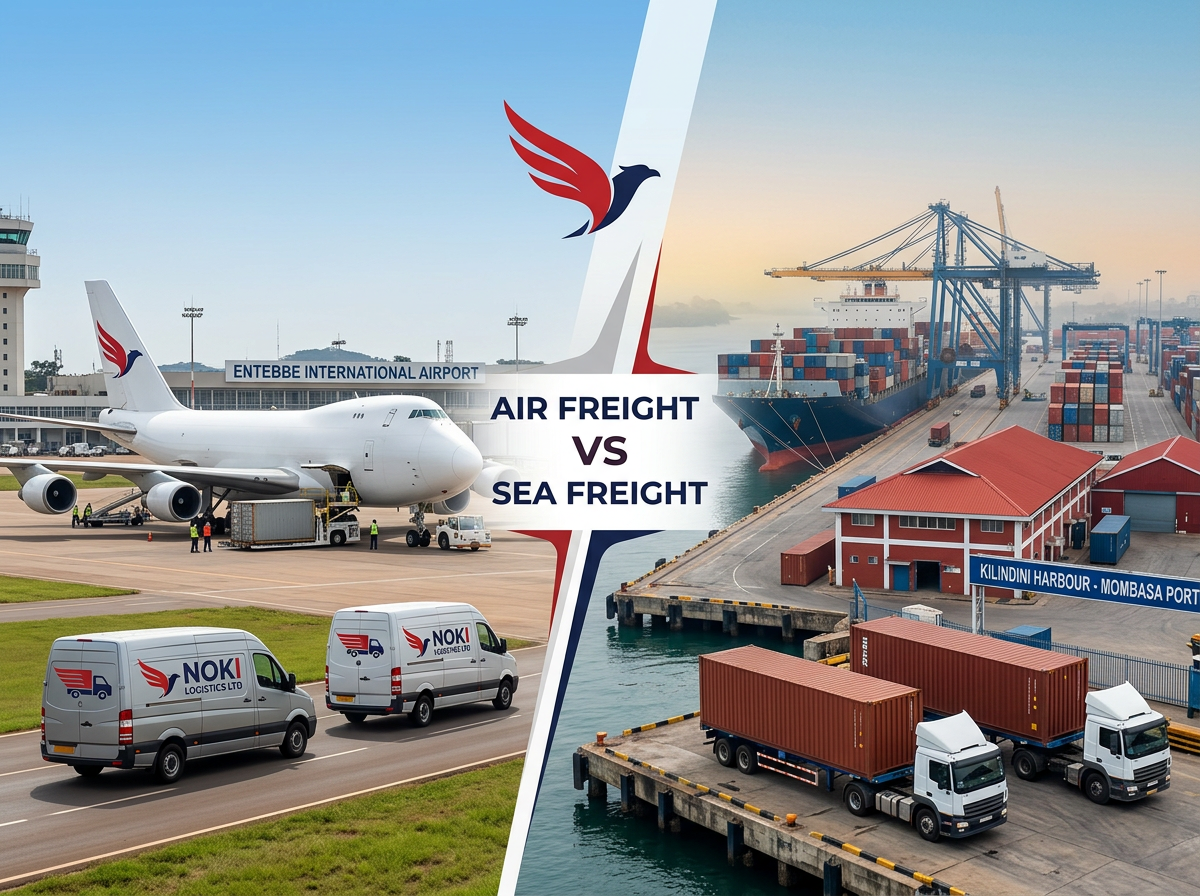
For sea freight, major shipping lines (Maersk, MSC, CMA CGM) provide online tracking portals where you can input your Bill of Lading (B/L) number to see your container's exact position on the ocean. Your freight forwarder (like Noki) can help you set up automated alerts for key milestones: vessel departure, port arrival, customs clearance, and final delivery.
Method 3: Airway Bill Tracking
For air freight, tracking is done via the Airway Bill (AWB) number through airline cargo portals (e.g., Ethiopian Airlines Cargo, Kenya Airways Cargo). These provide timestamps for acceptance, departure, arrival, and customs release at Entebbe International Airport.
Method 4: WhatsApp-Based Updates
For many Ugandan businesses, the simplest and most practical solution is WhatsApp-based tracking. At Noki Logistics, we assign a dedicated account manager who sends you photo and location updates at every key checkpoint. It's simple, personal, and requires zero technical setup on your end.
Which tracking method do you prefer for your shipments? Have you tried real-time GPS tracking before? Tell us about your experience!