- Mon - Fri: 09.00am - 10.00 pm
- +256 700 400 400
- info@nokilogistics.com
Blog Article
15
Sep
How to Clear Customs in Uganda – Step-by-Step (2026 Update)
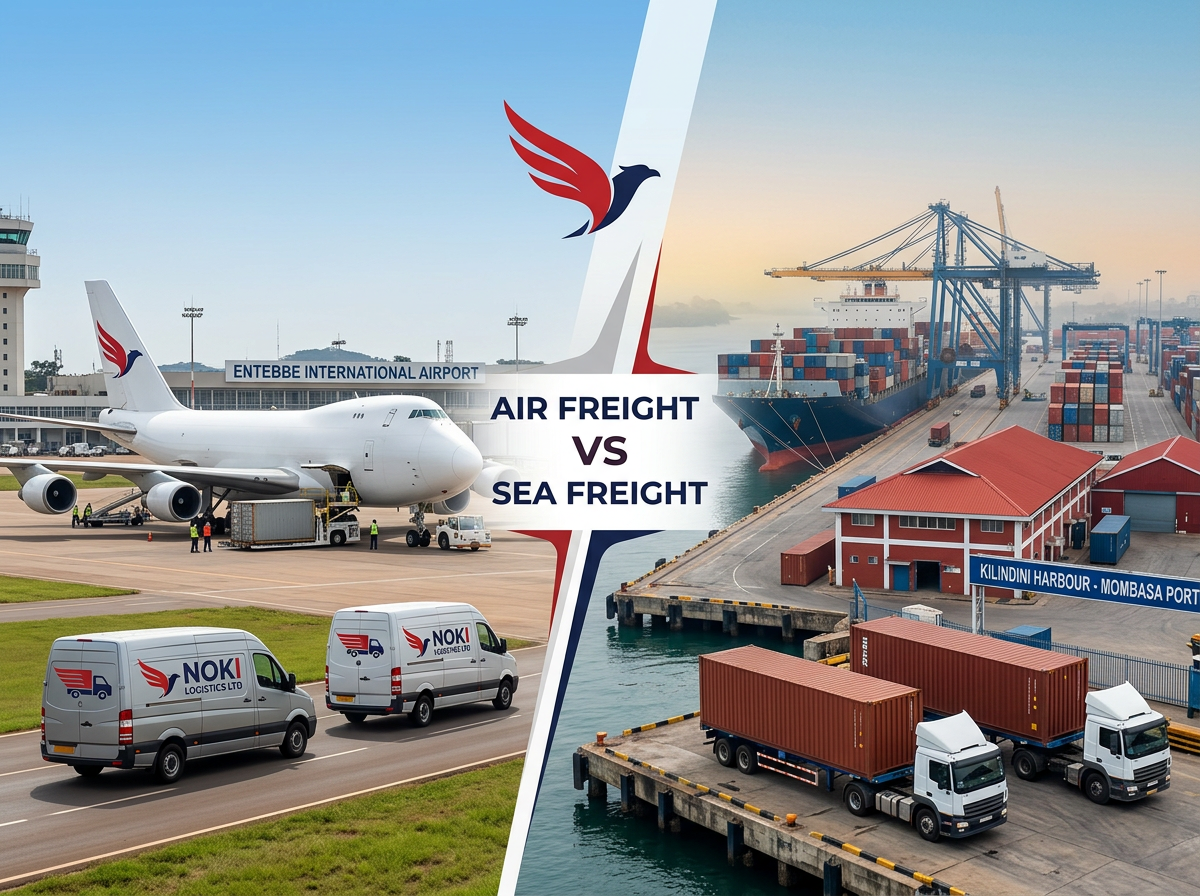
Clearing customs in Uganda can be a complex process for both new and experienced importers. With changing regulations and digital systems like the Uganda Electronic Single Window (UESW), staying updated is crucial to avoid costly delays at border points or Entebbe International Airport.
At Noki Logistics, we process hundreds of shipments through the Uganda Revenue Authority (URA) every month. Here is our step-by-step guide to navigating the customs clearance process smoothly in 2026.
Step 1: Proper Documentation is Everything
Before your cargo even arrives in Uganda, you must ensure your documentation is flawless. The critical documents you need include your Commercial Invoice, Packing List, Bill of Lading (for sea freight) or Airway Bill (for air freight), and a Certificate of Origin. Missing a single stamp on these documents is the #1 reason for clearance delays.
Step 2: Securing Your URA TIN and Agent
All importers must have a valid Tax Identification Number (TIN) registered with the URA. Furthermore, the URA mandates that customs declarations be lodged by an automated licensed clearing agent—like Noki Logistics. Partnering with a licensed agent immediately streamlines the process, as they will use the ASYCUDA World system on your behalf.
Step 3: Calculating Duties and Taxes
Uganda operates under the East African Community (EAC) Common External Tariff. Generally, raw materials attract 0% duty, intermediate goods 10%, and finished goods 25%. However, VAT (18%) and Withholding Tax (6%) also apply to most imported goods. Specialized infrastructure levies may also be added depending on the cargo.
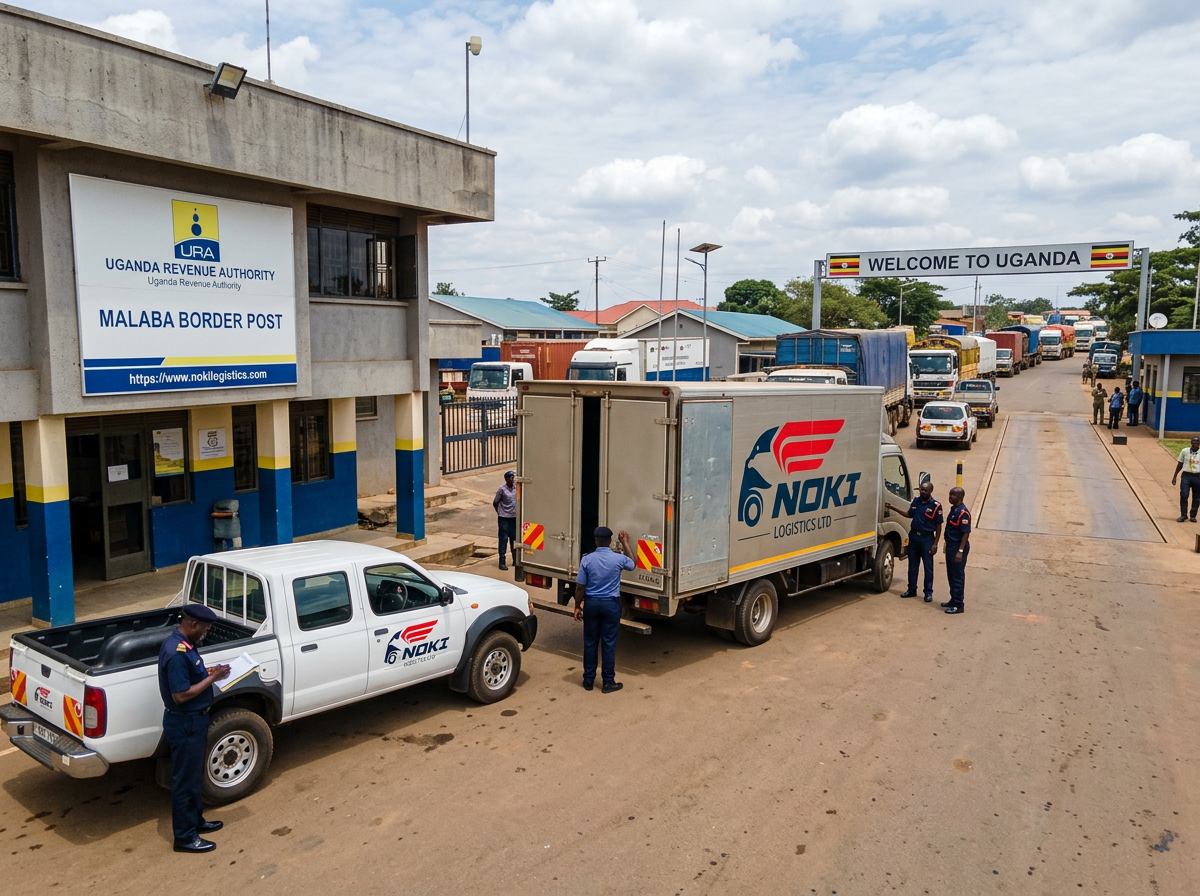
Step 4: Physical Verification & Release
Once your taxes are assessed and paid via the URA portal, customs officials may elect to physically verify your goods based on their risk profile. If the cargo matches your documentation perfectly, a "Release Order" is issued.
Pro Tip: Are you currently facing delays at a border point, or struggling to classify your goods correctly? Our expert clearing agents can take over the heavy lifting.
Have you ever faced unexpected delays at customs? What was the hardest part of your first import? Share your experience in the comments below!