- Mon - Fri: 09.00am - 10.00 pm
- +256 700 400 400
- info@nokilogistics.com
Blog Article
10
Feb
Tips for Safe Warehousing During the Rainy Season in Uganda
Uganda's rainy seasons (March–May and September–November) present unique challenges for businesses that store goods in warehouses. Excessive moisture, flooding, and humidity can cause severe damage to cargo—especially electronics, textiles, food products, and paper-based goods.
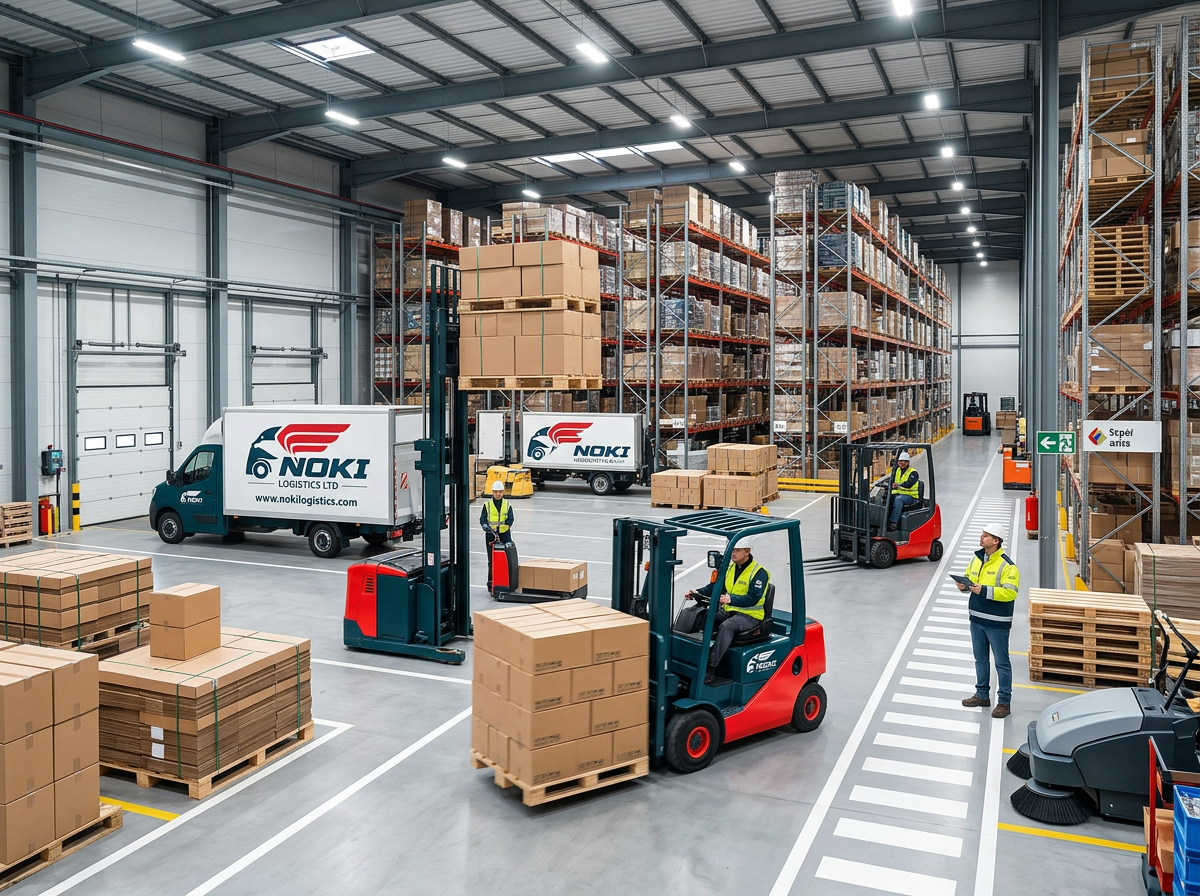
At Noki Logistics, we manage thousands of square meters of warehouse space in Kampala and Ntinda. Here are our proven strategies for keeping your goods safe during the wet season.
1. Elevate Your Cargo Off the Floor
Never stack goods directly on the concrete floor. Use wooden pallets or raised platforms (minimum 15cm) to create an air gap. This simple measure prevents water seepage from damaging the bottom layer of your inventory, which is the most common cause of rainy-season losses.
2. Invest in Proper Ventilation and Dehumidifiers
High humidity causes mould, rust, and material degradation. Ensure your warehouse has adequate cross-ventilation. For high-value goods, industrial-grade dehumidifiers are a worthy investment that pay for themselves by preventing spoilage.
3. Use Waterproof Wrapping for Sensitive Goods
Shrink-wrap pallets with heavy-duty polyethylene film. For individual cartons, use moisture-absorbing silica gel packets inside the packaging. Double-layer your wrapping for goods stored near walls or loading docks.
4. Maintain Proper Drainage Around the Facility
Clogged gutters and poor drainage are the silent killers of warehouse operations. Before each rainy season, inspect and clear all drainage channels around your facility. Ensure the warehouse entrance has a slight grade that directs water away from the loading bay.
5. Regular Inventory Audits During Wet Months
Increase your stock-check frequency during rainy months. Conduct weekly walk-throughs to identify early signs of water ingress, mould, or pest activity. Early detection saves entire shipments.
Have you experienced cargo damage during the rainy season? What protective measures worked best for you? Share your tips in the comments!