- Mon - Fri: 09.00am - 10.00 pm
- +256 700 400 400
- info@nokilogistics.com
Blog Article
05
Mar
Current Fuel Prices & Their Impact on Logistics Costs in Uganda (2026)
Fuel costs account for approximately 30-40% of total road transport expenses in Uganda. As a landlocked country dependent on fuel imports through Kenya's Mombasa port and Tanzania's Dar es Salaam port, Uganda is particularly sensitive to global oil price fluctuations.
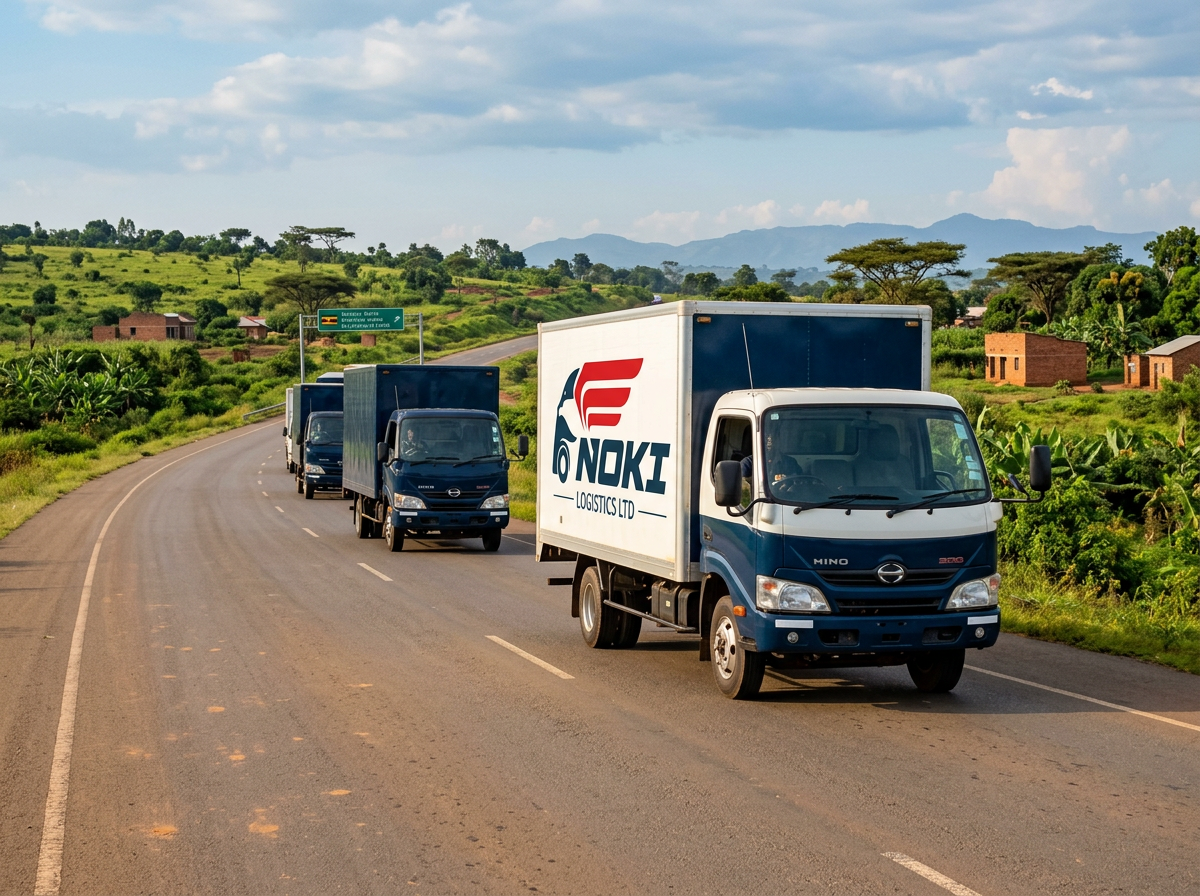
In 2026, the average price of diesel in Kampala hovers around UGX 5,200–5,600 per litre. For logistics operators running fleets of heavy-duty trucks on the Northern Corridor, this translates to significant operational pressure.
How Fuel Prices Directly Affect Your Shipping Quote
When you request a freight quote from any logistics provider, the fuel surcharge is typically the largest variable component. A 10% increase in diesel prices can increase your shipping costs by 3-5% on a Mombasa-to-Kampala route (approximately 1,150 km). For businesses shipping regularly, this adds up to millions of shillings annually.
What's Driving Fuel Prices in 2026?
Global factors: OPEC production decisions, geopolitical tensions, and the global shift toward renewable energy all influence crude oil prices. Regional factors: The East African Crude Oil Pipeline (EACOP) project and Uganda's domestic oil production in the Albertine Graben could potentially lower costs in the coming years, but the impact remains to be seen.
5 Ways to Reduce Your Logistics Fuel Bill
1. Consolidate shipments – Avoid half-empty trucks. Noki Logistics offers LCL (Less than Container Load) options that let you share truck space.
2. Optimize routes – GPS-tracked route planning avoids unnecessary detours and traffic.
3. Schedule during off-peak hours – Moving cargo at night reduces idle fuel burn in traffic.
4. Negotiate long-term contracts – Lock in fixed rates with your logistics partner to hedge against price spikes.
5. Consider multimodal transport – Combining rail (SGR) with road for the final mile can reduce fuel dependency significantly.
How has the rising cost of fuel affected your business operations? Are you exploring any alternatives? Let us know in the comments!