- Mon - Fri: 09.00am - 10.00 pm
- +256 700 400 400
- info@nokilogistics.com
Blog Article
22
Jan
Current Import Duties and Regulations in Uganda – What You Need to Know
Understanding Uganda's import duty structure is essential for any business involved in international trade. Getting it wrong can mean unexpected costs, delayed shipments, and even penalties from the Uganda Revenue Authority (URA).
This guide covers the key tax rates, common exemptions, and practical steps every importer should know in 2026.
The EAC Common External Tariff (CET)
As a member of the East African Community, Uganda follows the CET structure:
0% duty – Raw materials and capital goods (e.g., industrial machinery, agricultural inputs)
10% duty – Semi-processed/intermediate goods
25% duty – Finished consumer goods (electronics, clothing, furniture)
Some sensitive items like sugar, rice, and cement attract even higher rates (up to 100%) to protect local industries.
Additional Taxes You Must Account For
VAT (18%): Applied on the CIF value plus import duty. This is the largest additional cost for most importers.
Withholding Tax (6%): Charged on commercial imports for businesses without a valid URA tax clearance.
Infrastructure Development Levy (1.5%): Applied to most imports.
Environmental Levy: Specific items like plastic products attract an additional environmental surcharge.
Common Exemptions and Duty Relief
Certain imports qualify for duty exemptions under investment incentives (UIA certificate holders), diplomatic privileges, or special economic zone operations. Agricultural inputs, medical equipment, and educational materials often enjoy reduced or zero-rated duties. Always verify eligibility with URA before assuming exemption status.
Using the URA Electronic System
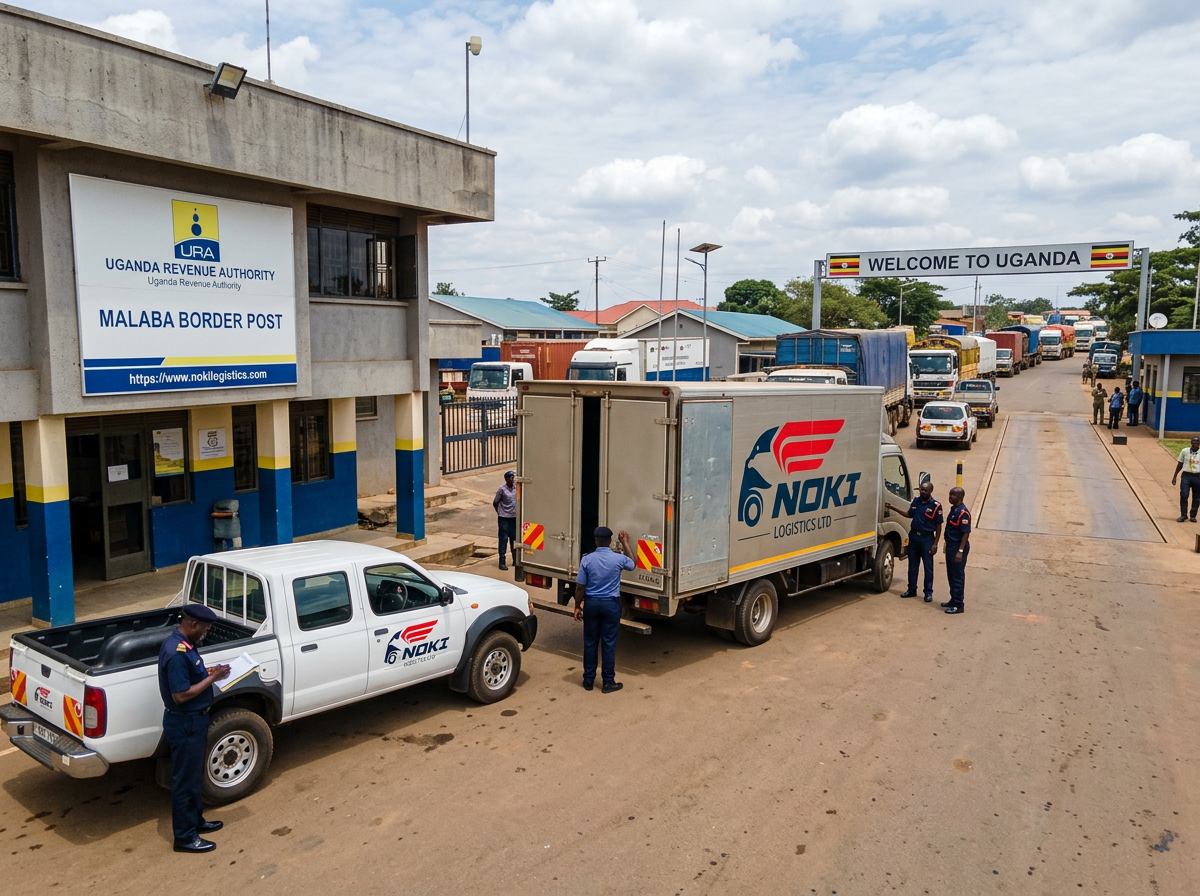
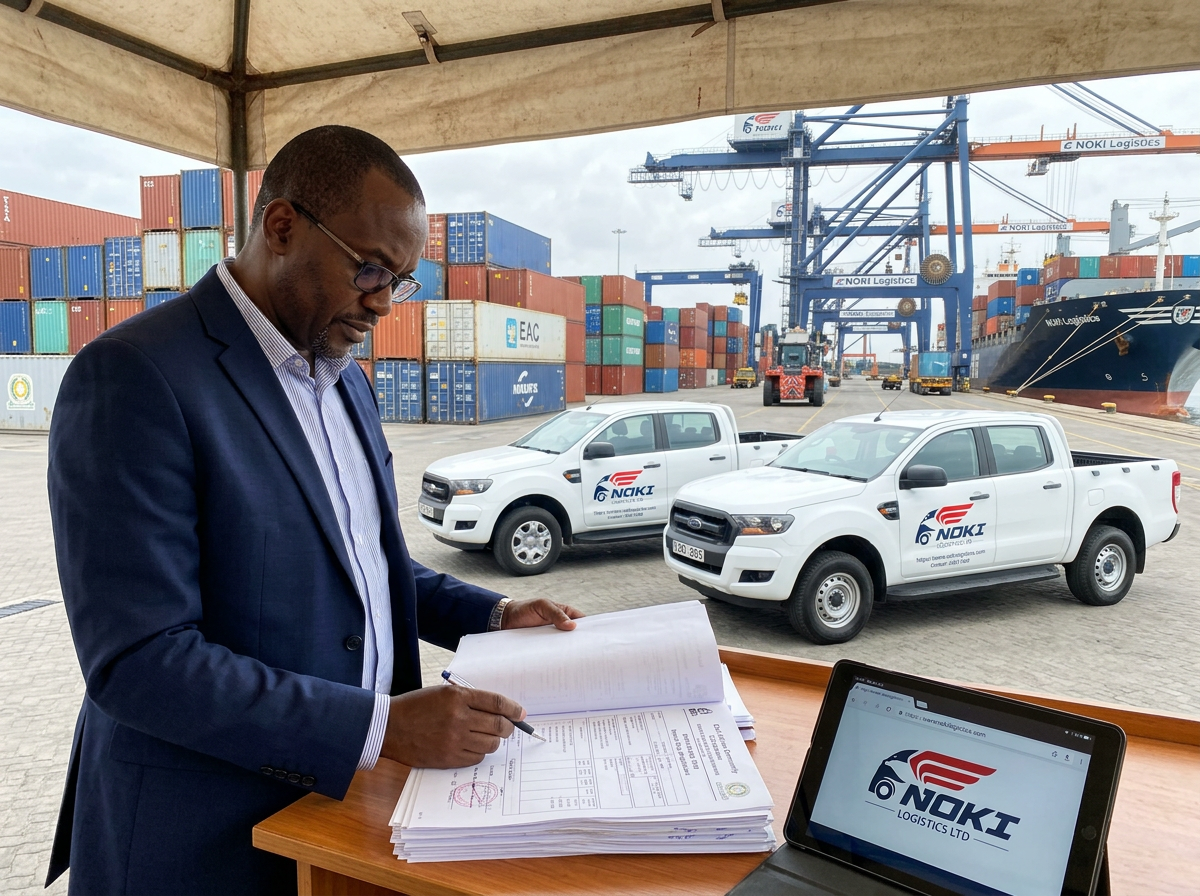
All customs declarations in Uganda are processed through the ASYCUDA World electronic system. Your clearing agent (like Noki Logistics) will lodge the Import Declaration Form (IDF), compute applicable duties, and facilitate electronic payment through authorized banks. Processing typically takes 24-48 hours for green-channel clearance.
Have you encountered unexpected duty charges on your imports? What product categories do you find most confusing to classify? Share your questions below!